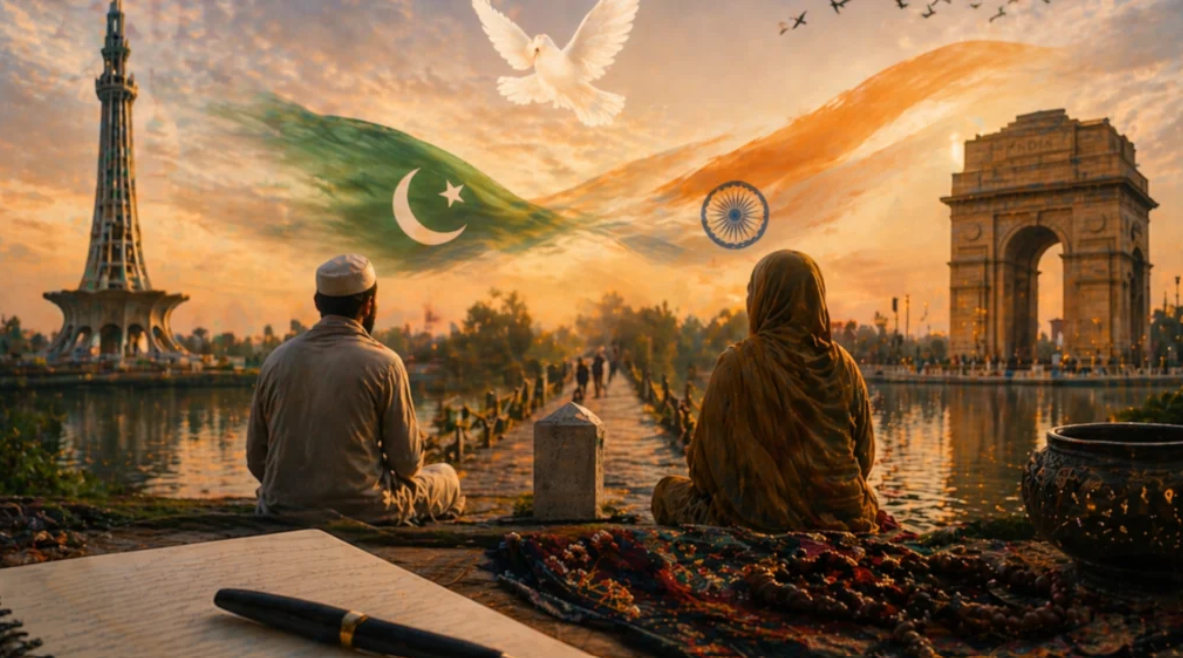
Dr. Shahida Shaheen’s Deewar Ke Us Par is far more than just a travel diary; it is a profound exploration of the invisible threads that bind Pakistan and India together. Born from her experience as a Pakistani government delegate to the SAARC Sufi Conference in India, this book captures a journey that is as much about the internal spirit as it is about the external landscape.
While political headlines often highlight division, Dr. Shaheen uses her prose to illuminate the cultural and spiritual bridges that remain standing. In this post, we’ll look at the themes, the lyrical writing style, and the lasting impact of this unique literary work.
A Glimpse Beyond the Wall: The Heart of the Journey
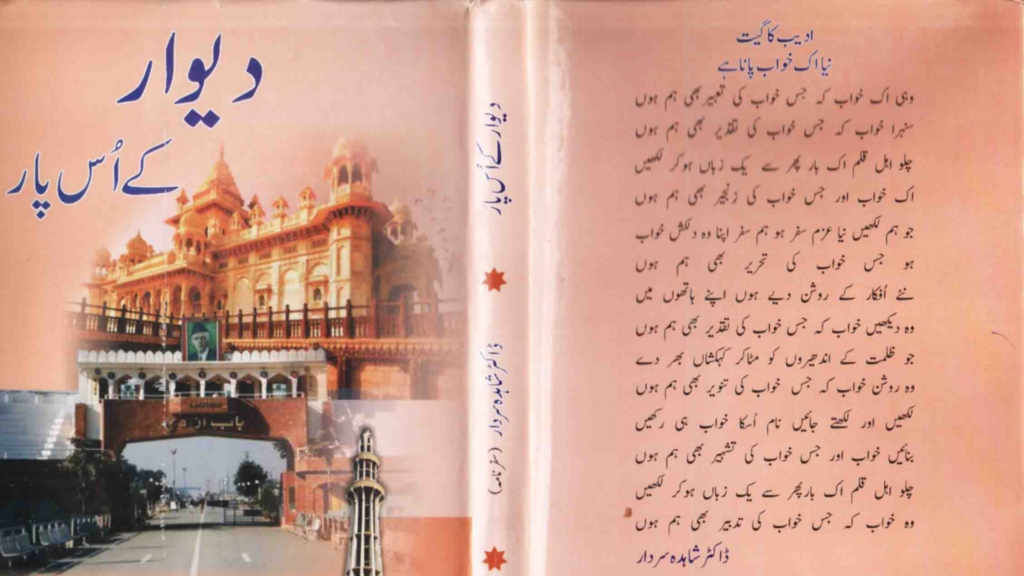
The title itself, Deewar Ke Us Par (Beyond the Wall), sets the stage for a narrative that seeks to look past physical and political barriers. As a delegate, Dr. Shahida Shaheen was given a unique vantage point to witness the “soul” of India. Her observations go beyond mere sightseeing; she taps into the shared human experiences and deep-rooted traditions that have survived decades of geopolitical tension.
By documenting her interactions with spiritual leaders and everyday citizens, she highlights a simple but powerful truth: the spiritual bonds between these two nations are often stronger than the rhetoric that seeks to separate them.
Core Themes: Building Peace Through Shared Heritage
A recurring heartbeat in the book is the idea of unity through culture. Dr. Shaheen argues that while borders might be rigid, human emotions, music, and art are fluid.
Human Connections: She emphasizes that dialogue starts at the human level, not just the diplomatic one.
Healing the Past: The book suggests that by acknowledging our common history and cultural practices, we can find a foundation for a more peaceful future.
Breaking Stereotypes: Through her eyes, readers see a version of “the other side” that is rooted in hospitality and shared values rather than hostility.
The Power of Sufism: A Path to Universal Connection, Sufi spirituality serves as the central pillar of the book. During the SAARC Sufi Conference, Dr. Shaheen immersed herself in traditions that preach love, tolerance, and “Wahdat-ul-Wajood” (the unity of existence).
She eloquently describes how the shrines and the “Qawwalis” found in both countries serve as a neutral ground where the language of the heart takes over. For Dr. Shaheen, Sufism isn’t just a religious practice; it’s a diplomatic tool that offers a roadmap for healing the wounds of Partition through compassion and collective prayer.
The Poetic Voice of Dr. Shahida Shaheen
What sets this travelogue apart is Dr. Shaheen’s background as a celebrated Urdu poet. Her prose is rhythmic, evocative, and deeply introspective. She doesn’t just describe a scene; she paints the emotion behind it.
The book moves seamlessly between storytelling and philosophical reflection. This lyrical approach ensures that the reader doesn’t just “read” about her journey; they feel the weight of the history and the lightness of the spiritual encounters she describes.
Dr. Shahida Shaheen’s Legacy in Pakistani Literature
Dr. Shahida Shaheen has carved out a vital space for herself in the South Asian literary world. Beyond her role as an author, she is a cultural ambassador and a tireless advocate for human rights.
Deewar Ke Us Par stands as a testament to her belief that literature can be a catalyst for social change. By focusing on cross-cultural dialogue and the mystical traditions of the East, she has provided a blueprint for how writers can contribute to regional stability and mutual respect.
Interested in more? To dive deeper into the world of Dr. Shahida Shaheen and explore her other literary and social contributions, visit her Official Website to discover a wealth of knowledge on Sufism, poetry, and peace-building.