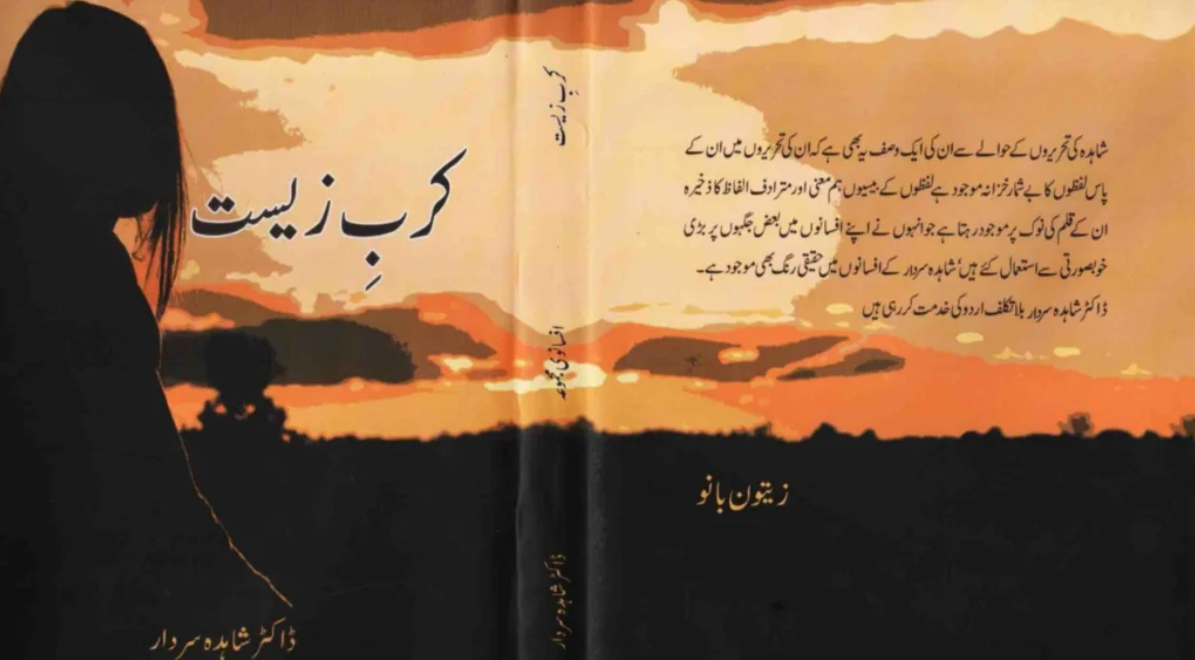

Chiragh-e-Aagahi and the Beginning of Awareness
یہ علم و ہنر بخشش تیری جب حمد و ثنا میں لکھوں
سب حرف اکھٹے ہو جائیں لفظوں کو ملے توقیر
بسم الله الرحمن الرحيم This opening is not just a beginning, it is a state. From the first moment, the text does not move like a normal narrative. It enters quietly, repeating itself, echoing meaning again and again. “سبحانك لا اله الا انت” appears not once but repeatedly, forming a rhythm that does not end quickly but continues, almost like breath itself.
This repetition is not accidental. It builds awareness slowly. The words return, the structure loops, and the reader is not pushed forward but held in a space where reflection becomes necessary. Lines appear, break, return again, and then shift slightly, creating a movement that is not linear but circular.
The presence of phrases, scattered expressions, and broken structures shows that this is not storytelling, it is inner dialogue. Each word feels placed yet unsettled, as if meaning is still forming. The repetition of spiritual invocation anchors the text, while everything else moves around it.
Repetition, Fragmentation, and the Rhythm of Thought
The text continues with fragments that appear disconnected but are deeply related. Words and repeated symbolic expressions appear again and again, not to confuse but to create a pattern. This pattern reflects thought itself unclear at first, then repeating, then becoming something recognizable.
Lines stretch and break, then return to earlier forms. The same structure appears multiple times, creating familiarity. This familiarity forces attention. You cannot skim this. The repetition stops you.
At several moments, the same line structure appears in slightly altered form. The meaning does not change entirely, but it deepens. This is how the text builds its core idea through insistence rather than explanation.
Spiritual Language and Human Reflection
The presence of divine phrases is constant. “سبحانك لا اله الا انت” is not simply written, it is echoed, layered, and repeated until it becomes part of the rhythm of the text itself.
But alongside this, there is human confusion. Words appear broken, incomplete, scattered. There is movement between clarity and uncertainty. The text does not separate the spiritual from the human it merges them.
Moments of clarity appear, then dissolve into abstraction. This is intentional. Awareness is not stable. It comes and goes. The text reflects this fluctuation.
The Flow of Awareness Without Structure
Unlike conventional writing, there is no clear beginning, middle, or ending. Instead, the text moves through layers. A phrase appears, repeats, expands, and then disappears. Another takes its place.
The structure is not missing, it is hidden.
It exists within repetition. It exists within rhythm. It exists within the return of the same words in new arrangements.
This creates a flow that feels unstable but is actually controlled. Every repetition serves a purpose. Every break creates space.
Symbols, Words, and Hidden Meaning
Many parts of the text include symbols, broken words, and expressions that seem unclear at first glance. These are not errors. They are part of the design. They slow the reader down. They force interpretation.
Words are not always complete. Sentences are not always finished. But meaning still exists. It exists between the lines, within the repetition, inside the pauses.
The presence of repeated structures and similar patterns shows that the text is not about surface reading. It is about internal processing.
Emotional Depth and Inner Conflict
There is a quiet tension throughout the text. It is not loud or dramatic, but it is present. The repetition itself creates this tension. The return of the same words suggests something unresolved.
Awareness is being sought, but not fully reached. The text reflects this incomplete journey. It moves forward but circles back. It tries to define but dissolves again.
Language as Experience, Not Explanation
The language in Chiragh-e-Aagahi does not explain, it presents. It does not guide directly, it surrounds. The reader is not told what to think. Instead, the reader is placed inside the experience of thinking.
This is why the structure feels unusual. It is not meant to be consumed quickly. It is meant to be experienced slowly.
Continuity Through Repetition
Despite the fragmented nature, there is continuity. This continuity comes from repetition. The same phrases, the same symbols, the same rhythms create connection between different parts.
Without this repetition, the text would feel completely scattered. With it, the text becomes unified.
Awareness as a Process, Not a Result
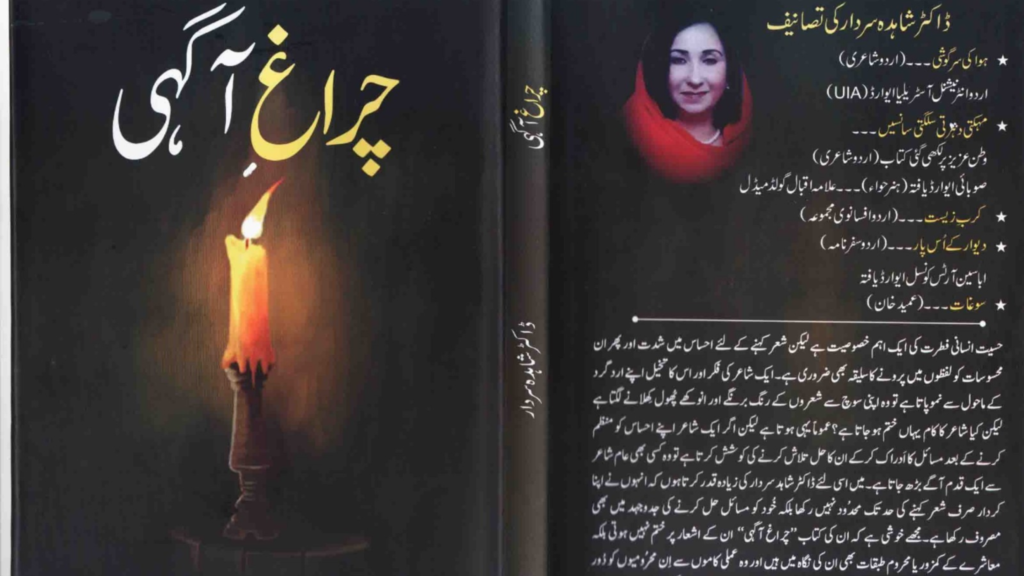
The concept of “آگہی” is not defined directly. It is shown through repetition, through struggle, through incomplete expression. Awareness is not presented as something achieved. It is presented as something ongoing.
Each repeated phrase adds another layer. Each fragment adds another perspective. The reader moves deeper, not forward.
The Role of Silence and Space
ابر کی آنکھ میں چنوائے گئے اشک میرے
وہ جو رویا میں ٹپکتی رہی بوندوں کی طرح
Between the repeated lines, there is space. These spaces are not empty. They are part of the meaning. They allow reflection. They create pause. The text uses silence as much as it uses words. This balance creates depth.
The text does not move toward a traditional conclusion. Instead, it continues its rhythm. The repetition remains. The structure does not resolve, it sustains itself.
The final feeling is not closure but continuation. The words do not stop; they echo. The meaning does not finalize, it expands.
Interested in exploring deeper layers of awareness and reflection? Discover more of Dr. Shahida Shaheen’s writings on spirituality, inner thought, and human reality by visiting her Official Website.